
Waterproof Flooring for Arizona Homes: LVP, Tile and What Holds Up
Many LVP products have waterproof cores, and porcelain tile suits rooms exposed to everyday water; laminate needs more caution around standing water. Henley's Floor & Home Pros in Surprise, AZ helps homeowners compare those surfaces alongside slab moisture, sun exposure, pets and room use before choosing a floor.
By Henley's Floor & Home Pros · Updated
Key takeaways for your project
- Confirm water behavior for the exact flooring product.
- Review slab moisture before covering the concrete.
- Compare sunlight, pets, cleaning and finished floor heights.
- Choose LVP, tile or laminate room by room.
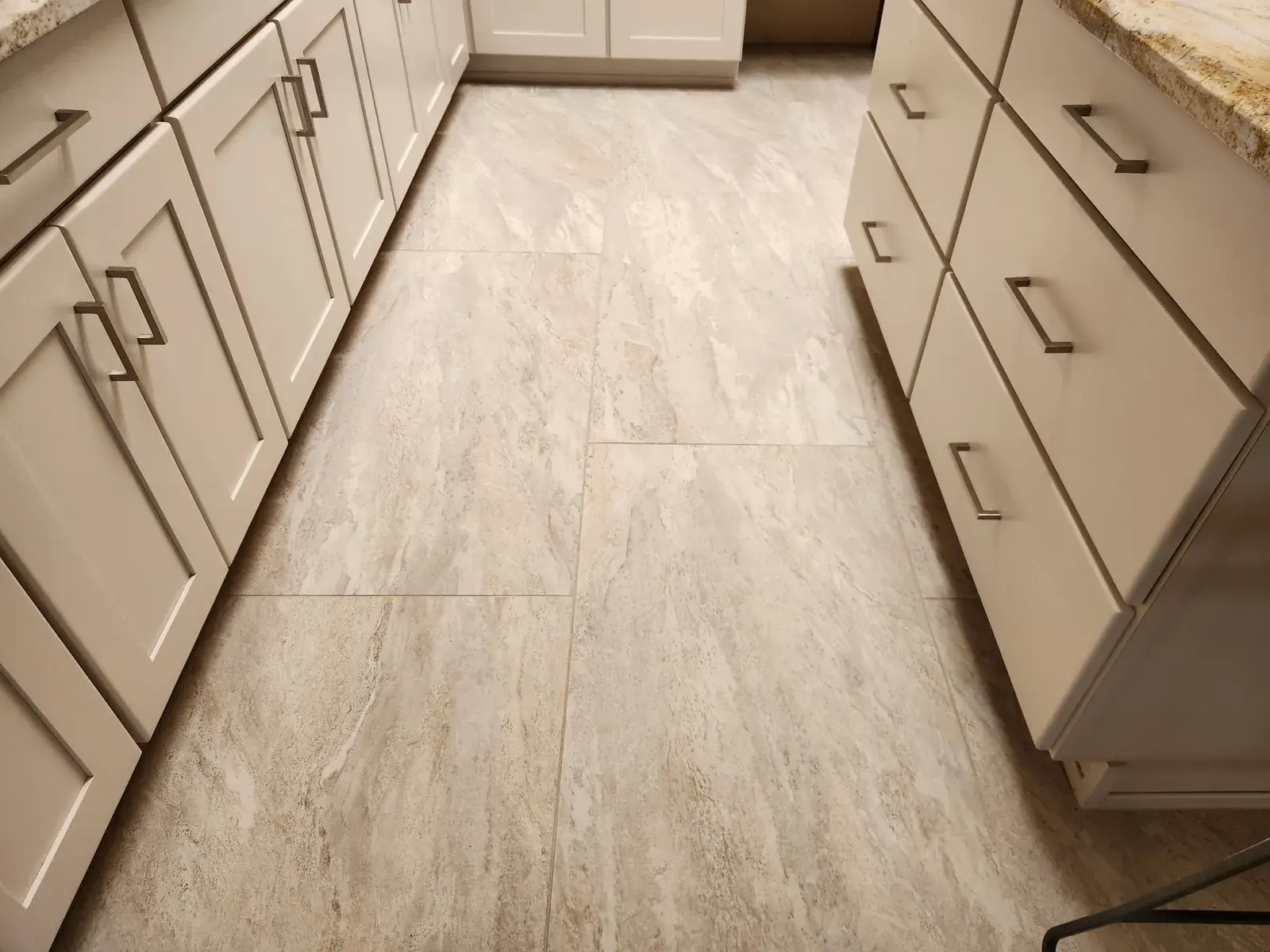
Waterproof flooring is a useful starting point for an Arizona home, but the word does not answer every installation question. A surface that tolerates a spill still needs a suitable slab, properly finished edges and routine cleanup. Separate the material's water behavior from the condition beneath it. This guide compares LVP, porcelain tile and laminate for West Valley rooms without treating a product label as a substitute for checking the house.
Waterproof surfaces and the floor underneath
A waterproof core describes the flooring material, not the plumbing, slab or every joint around the room. Water from an appliance leak or a damp concrete surface needs its source reviewed, even if the visible flooring tolerates everyday spills. At the showroom, ask which specific LVP products have waterproof cores and where they are intended to be installed. Read the care and installation directions for the exact product instead of assuming all planks behave alike.
LVP for kitchens and connected rooms
Luxury vinyl plank offers a wood look and straightforward routine cleaning. Many products have waterproof cores, making them options for kitchens, bathrooms and laundry rooms when their installation requirements suit the space. LVP generally feels warmer and less hard underfoot than tile, which can matter in a kitchen where you stand to prepare meals. Review wear layer, surface texture and adjoining floor heights. Our luxury vinyl plank flooring service explains selection and preparation, including the transitions and trim that complete the floor.
Porcelain tile for water-prone rooms
Porcelain tile is another option for kitchens, bathroom floors, laundry rooms and entries. It provides a hard surface that handles routine cleaning and traffic, but its feel is different from cushioned flooring. Size, texture, grout and installation preparation all influence how the room works. A glossy tile sample may not suit the footing you want in a bathroom. Compare the intended use of the tile, not appearance alone. Tile flooring installation includes slab preparation, suitable mortar, spacing and grout, with sealing where needed.
Where laminate needs more caution
Laminate has a hard, wood-based core and a scratch-resistant surface that can suit living rooms, bedrooms and home offices. Everyday spills need prompt cleanup, and standing water is a concern. It should not be treated as interchangeable with waterproof-core LVP simply because both look like wood. If kitchens, baths or laundry rooms are involved, compare LVP and tile before settling on laminate. The laminate flooring page explains suitable rooms, underlayment and installation over a prepared slab.
A qualitative flooring comparison
| Material | Everyday water | Comfort and pets | Preparation and care |
|---|---|---|---|
| Waterproof-core LVP | Many products suit spills; check the exact product and room use. | Warmer and less hard than tile; compare wear layer and texture. | Needs a prepared surface, suitable transitions and product-specific cleaning. |
| Porcelain tile | A practical surface for kitchens, bathrooms and laundry rooms. | Hard and cool underfoot; compare texture for the room. | Requires slab preparation, mortar, grout and care suited to tile and joints. |
| Laminate | Clean spills promptly; standing water can affect the wood-based core. | Hard, scratch-resistant surface; consider pet cleanup habits. | Floats over suitable underlayment on a prepared slab; use a barely damp mop. |
Heat, dry air and strong sunlight
Arizona flooring choices need to account for indoor conditions as well as the forecast outdoors. Sunlight through a patio door can warm a section of flooring differently from a shaded hallway. Ask about the selected product's intended indoor conditions and installation directions. Window coverings can reduce direct sunlight on finishes, and samples should be viewed in the light your rooms receive. Matte or lightly textured surfaces can make glare and everyday dust less noticeable than very dark, glossy finishes.
If your home is empty for part of the year, describe how the rooms are used and maintained during that time. Seasonal travel belongs in the installation discussion because the materials will live in those indoor conditions after the work is complete. Do not choose a floor based on a general claim about desert durability; discuss the actual product, its preparation requirements and the way it will meet the rest of your home.
Pets, dust and everyday cleaning
For dogs or cats, water resistance is one part of the decision. Compare the wear layer and texture of LVP, the hardness and grout care of tile, and the need for quick cleanup around laminate. Keep water bowls and accidents in mind, but also consider the grit carried inside on paws. Sweeping or vacuuming with settings suited to hard surfaces helps remove that grit before it is tracked through the house. Clean mats at exterior doors regularly rather than letting them hold accumulated dust.
Kitchens, bathrooms and laundry rooms
Choose by what happens in each room. A kitchen combines standing, dropped items and spills; a bathroom adds wet feet and the transition at the shower; a laundry room includes appliances and connections that deserve attention. Review where water is likely to reach the flooring and how cleanup happens. Bathroom floor selection does not replace the waterproofing assembly of a tiled shower. Plan the floor with the room's fixtures and doorways, and distinguish the surfaces that stay from those being replaced.
Concrete slabs and moisture checks
Before installing over concrete, review moisture concerns, cracks, high spots and low areas. A new floor should not hide an unresolved issue underneath. LVP, tile and laminate have different preparation and installation needs, so the chosen material belongs in that review. Existing tile may sometimes remain under LVP if it is flat and sound, but loose or uneven tile needs attention. The free in-home estimate is where the actual floor, adjoining rooms and proposed transitions can be assessed rather than guessed from photographs.
Comfort, footing and smooth transitions
A floor that is easy to wipe clean still needs to feel comfortable for the people using it. Compare sample texture and the firmness underfoot, especially if someone uses a walker or spends long periods standing. Doorway transitions should be planned around the finished floor heights. Rugs add softness but can also introduce edges to navigate. Our seniors flooring guide discusses slip resistance, glare and room-by-room choices so those everyday needs can be considered alongside cleaning.
Bring your room questions to the estimate
Henley's is family-owned, with over 30 years of experience and a Surprise showroom at 15226 W Bell Rd #104, Surprise, AZ. Bring photos, retained finish samples and notes about pets, sunlight and cleaning. Compare materials in person, then request a free in-home estimate to review measurements and the existing floor. Ask which product is proposed, what preparation is included and how transitions will be finished. The useful choice is the one that fits both your household and the surface it will be installed on.