
Luxury Vinyl Plank vs. Tile for Surprise Homes With Pets
Both luxury vinyl plank and tile can work well with dogs and cats: porcelain tile is very hard and resists claw marks well, while LVP feels softer, warmer and quieter underfoot. Henley's Floor & Home Pros in Surprise, AZ helps pet owners compare both floors room by room during a free in-home estimate.
By Henley's Floor & Home Pros · Updated
Key takeaways for your project
- Porcelain tile is very hard and resists claw marks well.
- LVP feels softer, warmer and quieter for older pets.
- Sealed grout and quick cleanup handle accidents on either floor.
- Many pet owners mix tile and LVP room by room.
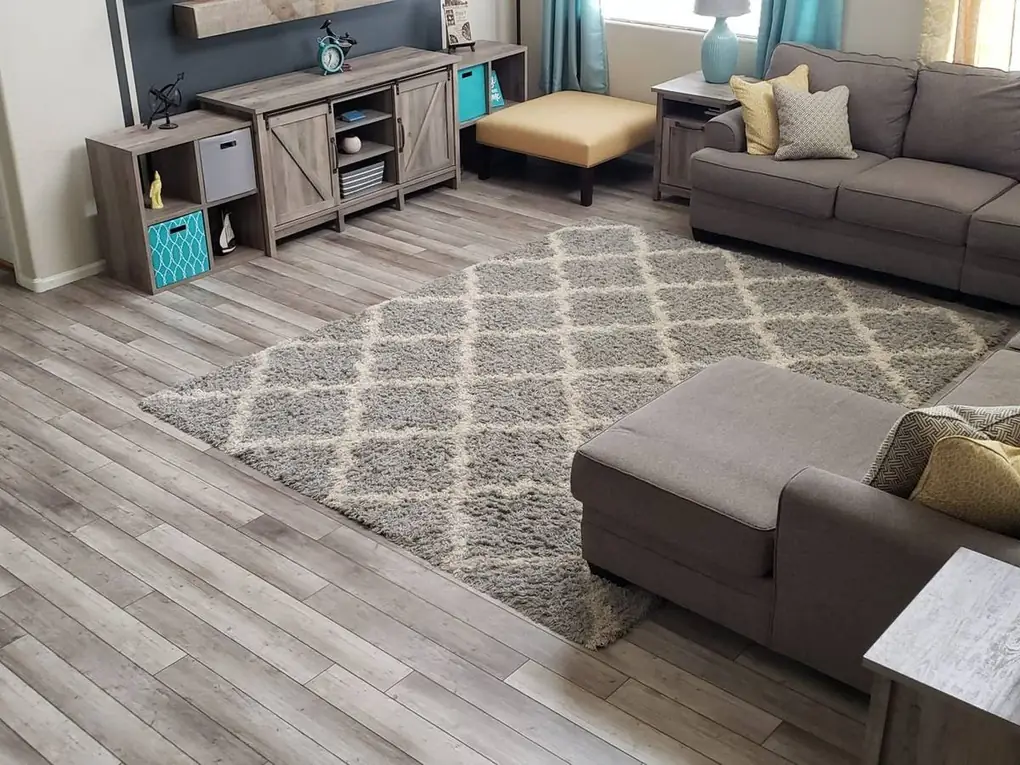
Pets are family. They also run, scratch, shed, track in dust, and have the occasional accident. If you're choosing new floors for a home with dogs or cats, those habits matter as much as color and style.
Two of the most popular choices for pet owners are luxury vinyl plank (LVP) and tile. Both can work well. This guide walks through how each one handles real pet life, so you can pick the right floor for each room.
How each floor is built
Luxury vinyl plank: LVP is a layered product. A printed design layer gives it the look of wood or stone. On top sits a clear wear layer that protects the surface. Many LVP products have a waterproof core, and planks click together over a prepared subfloor.
Tile: Tile is a hard surface made from porcelain, ceramic, or natural stone. It is set in place and the gaps between tiles are filled with grout. Porcelain is dense and very hard. Ceramic is a bit softer. Natural stone varies by type.
Scratches and claws for your Arizona home
LVP: The wear layer helps resist scratches from claws. Thicker wear layers generally hold up better in busy homes. Still, no floor is scratch-proof. Large, active dogs can leave marks over time, especially if nails aren't trimmed. One benefit: if a plank gets badly damaged, it can often be replaced without redoing the whole room.
Tile: Porcelain tile is very hard and resists claw marks well. That makes it a strong choice for high-traffic areas where big dogs run and turn. Glazed ceramic is also durable, though the glaze can chip if something heavy drops on it.
Edge: Tile, especially porcelain, for scratch resistance.
Accidents and spills
LVP: Waterproof LVP keeps liquid from soaking into the plank itself. The key is to wipe up accidents quickly. Liquid left sitting can find its way into seams and edges. Good installation and proper subfloor prep matter here.
Tile: The tile surface doesn't absorb liquid. Grout lines are the weak spot. Unsealed or worn grout can absorb liquid and hold odors. Sealing grout and keeping it maintained makes a big difference. Larger tiles mean fewer grout lines to worry about.
Edge: Close. LVP has no grout lines. Tile is very easy to clean if the grout is sealed.
Comfort for pets and people
LVP: LVP feels a little softer and warmer underfoot than tile. Many owners of older dogs like that. It's also quieter, so you hear fewer clicking nails.
Tile: Tile stays cool. On hot afternoons, many dogs love stretching out on it. It is also hard, which can be tough on older pets with sore joints. Area rugs help.
Edge: Depends on your pet. Senior pets may prefer LVP. Pets that run hot may love tile.
Traction and slipping
Slippery floors are hard on pets, especially older dogs and large breeds.
LVP: Many LVP products have a textured surface that mimics wood grain, which can help with grip. Very smooth finishes may be more slippery.
Tile: Glossy or polished tile can be slick for paws. Matte and textured tiles offer more grip. Ask about slip resistance ratings when you pick tile for pet areas.
Edge: Tie. Pick textured finishes in either material.
Dust, dirt, and daily cleaning
Dogs bring in dust and small grit from outside. That grit can wear down floor surfaces over time.
LVP: Sweep or vacuum often, and use a damp mop with a cleaner approved by the manufacturer. Grit left on the floor can dull the wear layer.
Tile: Sweep and mop. Clean grout lines from time to time. Reseal grout as recommended.
Door mats inside and outside your entry doors help with both floors.
Heat and sunlight for your Arizona home
Strong sun through windows and sliding doors can affect flooring. Some LVP can fade or shift if it gets direct sun for long periods, which is why installers leave expansion gaps. Window coverings help. Tile handles heat and sun well. Ask about the manufacturer's guidance for sunny rooms when you pick LVP.
Room-by-room ideas for your Arizona home
- Entry and mudroom: Tile is a strong choice for the dirtiest, busiest spots.
- Kitchen: Either works. Tile for heavy traffic and spills; LVP for comfort while you cook.
- Living room and bedrooms: LVP for a warmer feel and quieter steps, with area rugs as needed.
- Laundry room or pet washing area: Tile with sealed grout handles water well.
- Patio doors: Tile handles sun and traffic near sliding doors.
Many pet owners mix the two. The right answer often changes room by room.
See both floors in your own home
Henley's Floor & Home Pros is a family-owned flooring and remodeling company with over 30 years of experience. We'll bring samples to your home so you can see LVP and tile in your own light, with your own pets nearby. Request a free in-home estimate. ROC# 319696.