
Engineered Hardwood vs. Luxury Vinyl Plank in Arizona Homes
Flooring choices depend on room use, sunlight, dust, subfloor condition and transitions between adjoining surfaces. Henley's Floor & Home Pros in Surprise, AZ helps homeowners compare options and plan the work through a free in-home estimate.
By Henley's Floor & Home Pros · Updated
Key takeaways for your project
- Choose materials around room use and sunlight.
- Check the subfloor and adjoining floor heights.
- Compare samples before planning installation.
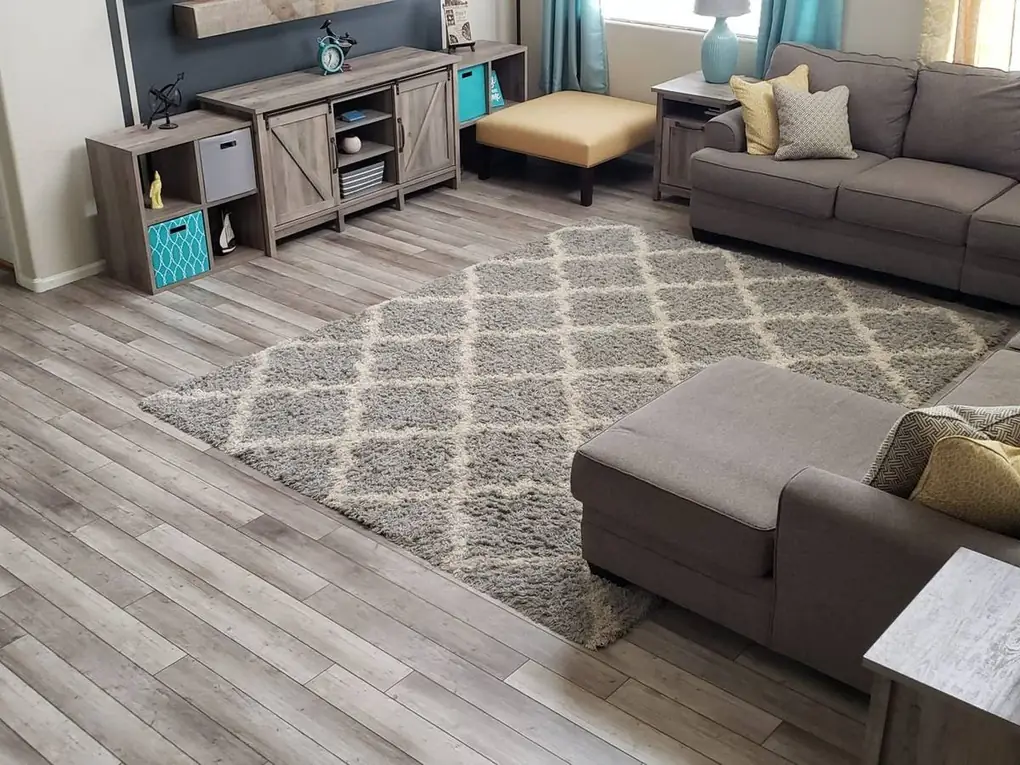
Engineered hardwood offers a real wood surface, while luxury vinyl plank offers a printed wood-look surface with product-specific water resistance. In Arizona homes, either choice needs attention to indoor conditions, direct sunlight and the concrete slab underneath. Choose around the room’s daily use and the selected product’s instructions, not the assumption that one material suits every home.
What the two materials actually are
Engineered hardwood has a real wood wear surface over supporting layers. Its construction can help manage movement compared with solid wood, but it still responds to moisture and indoor humidity. LVP is a manufactured plank with a decorative layer and protective surface; core construction varies by product. The resemblance to wood can be convincing, but the materials have different care requirements and should not be treated as interchangeable assemblies.
Compare full samples, including edges and surface texture. Ask how a selected engineered board can be maintained or refreshed; its wear layer and construction determine what is possible. For vinyl, inspect the locking or adhesive system and recommended use. A room photograph helps connect those details to doorways, furniture and adjacent tile. Our hardwood flooring installation page outlines the preparation conversation for wood floors.
Heat and dry air inside an Arizona home
Outdoor temperatures do not tell you everything about the conditions at the floor. Air conditioning, seasonal occupancy and ventilation affect the indoor environment in Surprise and Peoria. Engineered wood needs the temperature and humidity conditions specified for the selected product. Extended periods outside those conditions can create movement or other problems. Ask how a home that is vacant part of the year should be managed before selecting the material.
LVP also has temperature requirements. Do not assume its manufactured construction makes it suitable for an unconditioned room or unlimited heat exposure. Direct sun through glass can warm a section of floor differently from the rest of the room. Review the proposed plank’s instructions for acclimation, indoor conditions and expansion space. Keep those requirements with your care information so future changes to the room do not undermine the installation plan.
Sunlight and changes in appearance
Wood can change color with light exposure, and different species and finishes respond differently. Vinyl can also experience appearance changes depending on the product and exposure. Compare the proposed material’s care guidance rather than assuming either is immune to fading. Window coverings can help manage strong sunlight. Moving rugs and furniture may reveal differences in exposed and covered areas, so consider where the afternoon sun falls before arranging the room.
Water and everyday spills
Engineered hardwood is not the default choice for spaces where water may remain on the surface. Wipe spills promptly and avoid soaking the floor during cleaning. A waterproof-rated vinyl plank can offer useful surface protection, but that rating does not make the entire assembly waterproof. Water can reach edges, seams or the slab, and an appliance leak is still a problem that needs attention rather than a reason to ignore moisture.
For bathrooms and laundry rooms, confirm that the specific product and installation method are appropriate. A shower is a separate wet-area assembly, not an extension of a plank floor. Kitchens need careful details around fixed cabinetry and appliances. Our luxury vinyl plank flooring page discusses selection and preparation, and our LVP-versus-tile guide offers another comparison if tile is also on your shortlist.
Pets, furniture and sound
Neither wood nor vinyl is immune to scratches or dents. Pet nails, tracked-in grit, chair movement and concentrated furniture loads affect wear. Use compatible furniture protectors and remove grit routinely. For wood, the finish and species matter; for LVP, the wear surface and core matter. Ask how rolling equipment and heavy furniture should be handled rather than deciding on appearance or plank thickness alone.
Sound depends on the assembly as well as the surface. A floating floor can sound different from a bonded installation, and room furnishings affect the way noise is heard. Underlayment must be approved for the selected product; adding extra padding can interfere with a locking system. If sound is important in an open living area, discuss the slab, installation method and room layout together. A sample in your hand cannot reproduce the completed room.
Installing engineered wood or LVP over a slab
Both materials require a review of the concrete, including moisture conditions, flatness and existing adhesive or floor coverings. The installer should explain what testing and preparation are appropriate for the selected system. A slab that looks dry may still need assessment. Cracks and uneven areas also deserve review before installation, because a finished floor should not be expected to correct underlying conditions by itself.
Some engineered wood products are bonded to the slab; others allow a floating installation. LVP may use a floating locking system or an adhesive method, depending on the product. Follow the selected instructions for moisture control, compatible materials and perimeter movement space. Fixed cabinetry, doorways and transitions need a plan before work begins. Do not choose an installation method simply because a different plank was installed that way elsewhere.
Compare materials in the rooms you actually use
Bring samples into the home and look at them beside existing cabinets and trim. Note sunlight, pets, cleaning habits and any periods when the house is unoccupied. Henley’s has over 30 years of experience and a showroom at 15226 W Bell Rd #104, Surprise, AZ. A free in-home estimate can help connect material choices with slab preparation, transitions and a written installation scope.