
What a Free In-Home Flooring Estimate Includes
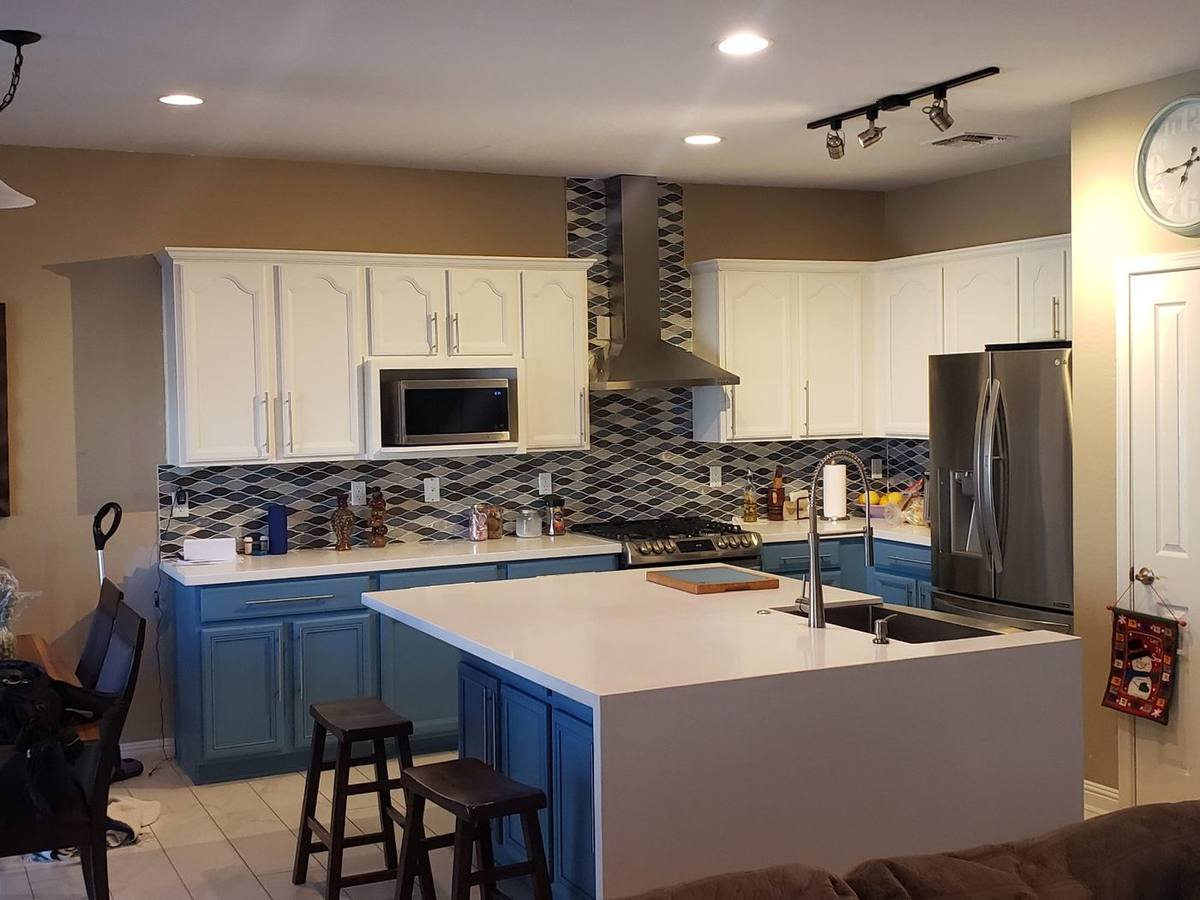
Shopping for new floors can feel like a lot. There are dozens of materials, hundreds of colors, and plenty of questions about cost and timing. A free in-home estimate is one of the easiest ways to get clear answers.
This post explains what happens during an in-home estimate, why it helps, and how to get the most out of the visit.
Why an in-home estimate helps
Floors look different in a store than they do at home. Lighting, wall colors, cabinets, and furniture all change how a material looks. An in-home visit lets you see samples in the space where they'll actually live.
It also lets the estimator see things you might not think about, like the condition of the subfloor, transitions between rooms, and doorways that need trimming.
What happens during the visit
Every visit is a little different, but most cover the same steps.
1. A conversation about your goals
The estimator will ask how you use each room. Do you have pets? Kids? Do you host often? Are you planning to sell, or staying for the long haul? Your answers help narrow down the right materials.
2. Measuring the space
The estimator measures each room in the project. Accurate measurements help determine how much material is needed, including extra for cuts, patterns, and layout.
3. Checking the subfloor
The subfloor is the surface under your current flooring. Its condition affects which products will work and what prep is needed. The estimator may look for:
- Cracks or uneven spots
- Signs of moisture
- Old flooring layers that may need removal
4. Looking at transitions
Where one floor meets another, you need a clean transition. The estimator will look at doorways, stairs, and spots where your new floor meets tile, carpet, or other surfaces.
5. Reviewing samples
You'll see samples of materials that fit your needs and style. You can hold them up next to your cabinets, walls, and furniture. Take your time here. Look at them in daylight and in lamplight if you can.
6. Talking through options
The estimator can explain the differences between materials such as luxury vinyl plank, tile, carpet, laminate, and hardwood. You'll learn how each one handles water, scratches, heat, and daily cleaning.
7. Answering your questions
This is your chance to ask anything. No question is too small.
8. A written estimate
You'll get a written estimate that lays out the scope of work and the materials discussed. Read it carefully and ask about anything that isn't clear.
What to ask during your estimate
Bring a short list of questions. Here are some good ones:
- Which materials would you suggest for each room, and why?
- What prep does my subfloor need?
- Is removal of the old flooring included?
- How are transitions handled between rooms?
- What's included in the estimate, and what isn't?
- Is the material in stock, or does it need to be ordered?
- How long do you expect installation to take for my project?
- What do I need to do before installation day?
- What care does this floor need?
- What happens if something isn't right after installation? Ask who you call if something needs attention after the job, and how quickly they respond.
How to prepare for the visit
A little prep helps you get more from the estimate.
- Know which rooms you want to update. Even a rough idea helps.
- Gather inspiration. Save photos of floors you like.
- Think about your budget range. Knowing what you're comfortable with helps the estimator suggest the right options.
- Clear access to the rooms. Make sure the estimator can see the floors and corners.
- Have decision-makers present. If more than one person is choosing, try to be home together.
- Have pets in a safe spot. That keeps everyone comfortable during measuring.
What a good estimate looks like
A clear estimate should list:
- The rooms and areas included
- The material, style, and color
- Prep work, such as removal or subfloor repair
- Trim, transitions, and other details
- What's included and what's not
If something is vague, ask for it to be spelled out.
After the estimate
Take a day or two to think it over. Keep the samples if you can, and look at them at different times of day. Talk it through with anyone else who lives in the home. When you're ready, reach out with follow-up questions or to set an installation date that works for your schedule.
Why a licensed contractor matters
When you hire a flooring company in Arizona, check that they hold an active license with the Arizona Registrar of Contractors. A licensed contractor has met state requirements. You can look up a license number on the Registrar of Contractors website.
Schedule your free in-home estimate
Henley's Floor & Home Pros is a family-owned flooring and remodeling company in Surprise with more than 30 years of experience. We'll bring samples to your home, measure your space, and answer your questions. Schedule your free in-home estimate at https://get.henleysfloor.com/#estimate-form (ROC# 319696).