
Tile Floors and Cold Feet: Heating, Rugs, and Smarter Choices for Winter
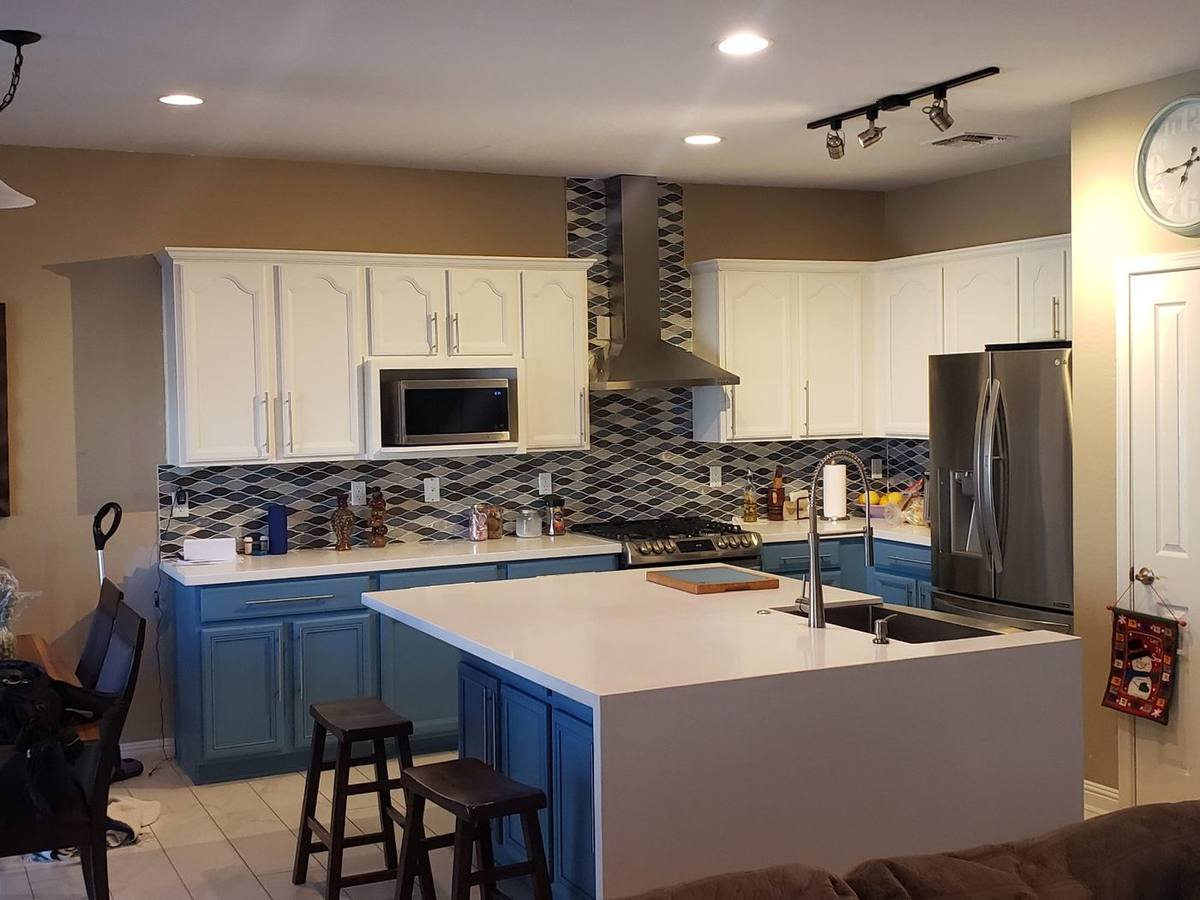
Nobody in Surprise regrets tile in July. In January, when overnight lows drop into the forties and a slab-on-grade house has been shedding heat all night, the same floor feels like a skating rink at 6 a.m. It's the most common seasonal complaint we hear — and it's very fixable.
Why it happens here specifically
Tile is a conductor sitting directly on a concrete slab that's in contact with the ground. The slab holds whatever temperature the last several days gave it, so the floor lags behind the thermostat. Your air can be 72 degrees while the tile is closer to 62.
Electric radiant heat — the real solution
Electric mat or cable systems go under the tile during installation and run on a programmable thermostat. Operating cost is modest when it's zoned to the rooms that matter — a primary bathroom, a kitchen work aisle, an entry — rather than the whole house. The catch is that it has to be planned before the tile goes down, which is why we always ask about it during a bathroom or kitchen estimate rather than after.
Where it's worth the money
- Primary bathroom floors — the highest satisfaction per dollar of any upgrade we install.
- The strip of kitchen floor where you actually stand.
- A tiled entry or hallway you cross barefoot every morning.
- Rarely worth it in guest rooms or low-traffic space.
Rugs, done properly
If radiant heat isn't in the budget, rugs do most of the work — but size and pad matter. A rug too small for the seating group makes a room feel unfinished and covers nothing useful. Use a felt-and-rubber pad rather than thin foam: it adds real insulation, keeps the rug from creeping on smooth tile, and is safer for the traffic patterns older homeowners navigate every day.
If you're choosing new floors now
Rigid-core LVP with an attached pad reads noticeably warmer underfoot than porcelain, which is one reason so many West Valley homeowners run plank through living areas and keep tile in wet rooms. Carpet in bedrooms buys back the comfort where you feel it most. It's a legitimate mixed-material strategy, as long as the transitions are planned and executed cleanly.
Thinking about heated floors in an upcoming bath or kitchen project? Bring it up at the estimate — it's inexpensive to include during a remodel and expensive to add afterward.